

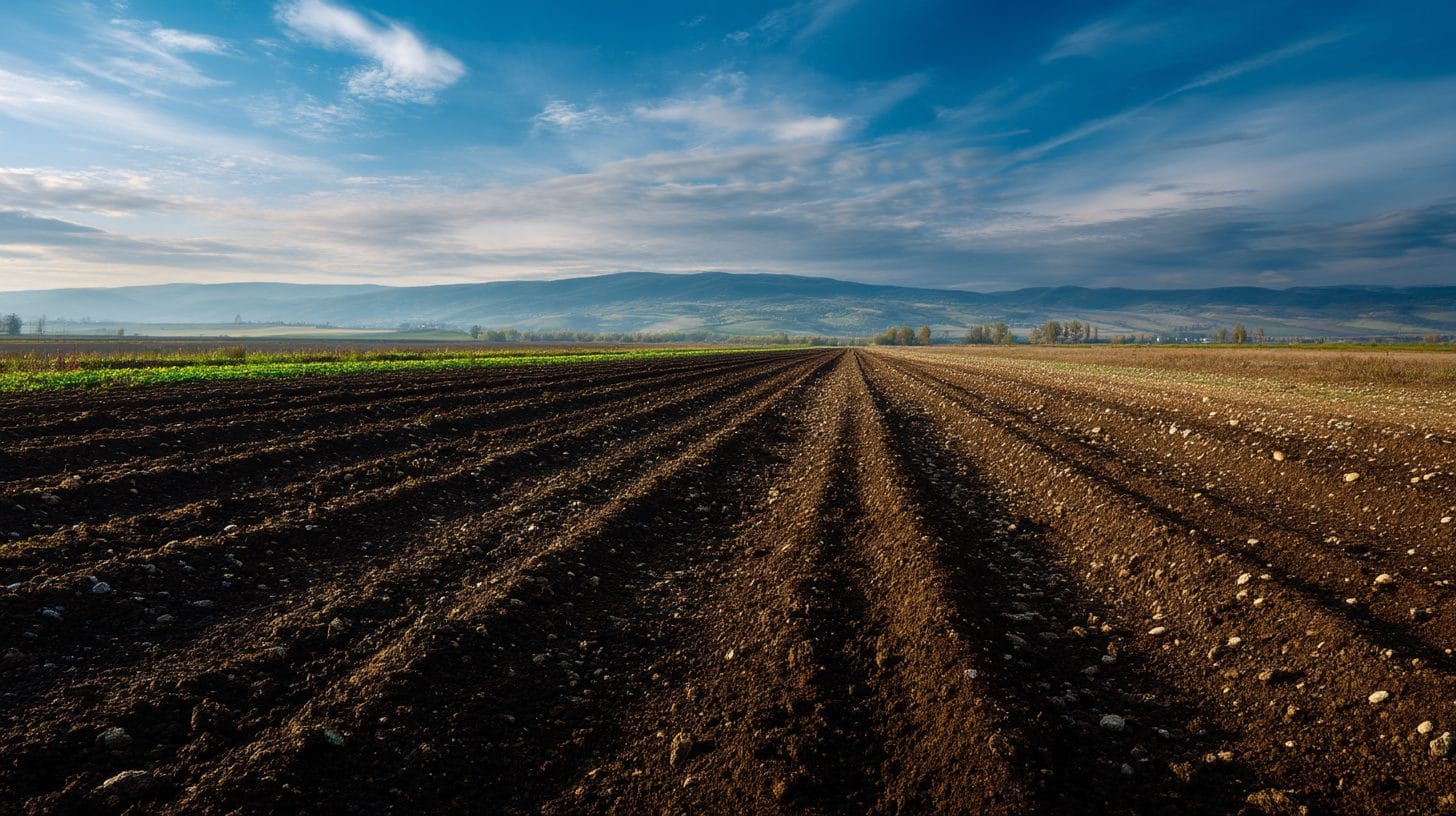
Romania has emerged as a key destination for discerning investors looking to capitalize on Central and Eastern Europe’s dynamic property markets. Among its top-tier opportunities, exclusive real estate in Brasov has positioned itself as a compelling choice for strategic land investment. Known for its prime location, robust tourism economy, and rising infrastructure development, Brasov presents a favorable environment for both capital preservation and long-term growth.
Situated in the heart of Transylvania, Brasov is not only one of Romania’s most visited cities but also a vital economic and logistical hub. Foreign investors are increasingly turning their attention to this picturesque city for more than its scenic value—land acquisition and high-end property development are proving especially lucrative as demand outpaces supply in desirable zones.
Why Brasov Has Become a Land Investment Hotspot
Brasov’s allure for property and land investors extends beyond its medieval charm. Several factors converge to enhance its real estate viability. The city perches at the intersection of vital national road and rail networks, providing seamless access to Bucharest, Sibiu, and the Hungarian border. Moreover, the newly expanded Brasov-Ghimbav International Airport adds a significant logistical advantage, connecting investors and tourists directly to the region.
Infrastructure developments have also been pivotal. A consistent influx of government-backed and European Union-funded projects—including road modernizations and urban regeneration plans—is transforming Brasov into a modern smart city, while preserving its UNESCO-recognized heritage centers. These enhancements elevate the appeal of nearby land plots, particularly those zoned for mixed-use, hospitality, or residential developments.
Another key driver is the region’s thriving tourism economy. Brasov is the gateway to the Carpathian Mountains and nearby Poiana Brasov, Romania’s most developed mountain resort. Ongoing tourism growth encourages continuous demand for both luxury accommodation and alternative lodging, solidifying the profitability potential for investors looking to develop premium villas, boutique hotels, or exclusive residential housing on acquired land parcels.
Evaluating Strategic Zones for Exclusive Land Acquisition
When it comes to purchasing land with strong appreciation potential, several districts and adjacent areas around Brasov stand out. The central neighborhoods—including Schei, Old Town, and Livada Poștei—attract heightened interest due to their historical significance and limited land availability. Here, buying land with historical structure rights or redevelopment potential grants access to a premium rental and resale market.
Investors seeking larger parcels often consider surrounding communes such as Sanpetru, Cristian, and Ghimbav. These localities benefit from proximity to Brasov’s core while enjoying lower tax rates and land costs. Zonal plans (PUZ and PUG) in these areas are undergoing updates to support increased development, particularly in the luxury residential and tourism sectors. Furthermore, the expansion of Brasov’s metropolitan ring and mobility infrastructure ensures that these peripheral areas will remain well-connected and desirable.
Commercial and industrial expansion in the south of the city—including proximity to the new airport and the city’s logistic parks—suggests another layer of strategic value. Investors who capitalize on transitional or mixed-use land options may benefit from serving both residential and business demand. Such zoning flexibility helps hedge against cyclical economic shifts, while maximizing potential returns through diversified development strategies.
Legal and Procedural Considerations for Foreign Investment
Romanian legislation allows EU citizens and legal entities to purchase land without restriction. Non-EU investors can structure investments either through registered Romanian entities or, in some cases, by acquiring shares in land-holding companies. When evaluating land acquisitions, thorough due diligence on property titles, zoning regulations, urban planning certificates, and utility access is essential.
Particular attention should be given to local planning documentation (Certificat de Urbanism, PUG—General Urban Plan, and PUZ—Zonal Urban Plan), which outline allowable land uses and building parameters. Engaging an experienced Romanian real estate law firm and a local urban planner ensures the investment aligns with regulatory frameworks and future development goals.
Foreign investors are also advised to review environmental and historical conservation restrictions, especially within Brasov’s protected heritage zones. While such limitations may affect immediate development options, they also add scarcity and long-term value to qualified parcels. Strategic patience when navigating approvals and documentation in these unique areas may result in superior investment outcomes.
Capital Appreciation and Yield Projections
Land in Brasov, particularly in exclusive or developing zones, has consistently demonstrated upward price trends, driven by increasing demand, limited available plots, and sustained infrastructure investments. Data from Romanian real estate analysts shows residential land values in prime areas of Brasov have appreciated annually by 8–12% over the past five years, surpassing national averages.
The rental market further supports land redevelopment into income-generating assets. High tourism turnover, remote work migration from larger urban centers like Bucharest, and increased interest from short-term renters contribute to sustained demand for quality residential and hospitality stock.
In emerging districts near the airport or in Brasov’s metropolitan expansion areas, medium-term capital gains of 15–20% and yields exceeding 6–7% for developed assets are feasible, particularly when entry is timed during early-stage infrastructure rollout or zoning liberalization.
Risks and Strategic Mitigation Tactics
As with any foreign market, the key risks in Romanian land investment—bureaucratic delays, zoning uncertainties, and speculative overpricing—should be accounted for. Currency fluctuations and the pace of national real estate reform may also impact predictability. However, many risks can be mitigated with timely due diligence, conservative leverage strategies, and collaborations with local development consultants.
Investors are wise to focus on zones already attracting infrastructural funding or benefiting from public-private initiatives. Aligning purchases with long-term urban planning documents ensures resilience against regulatory shifts. Moreover, structuring acquisitions through local SPVs (Special Purpose Vehicles) offers tax alignment and streamlined exit opportunities, especially attractive to those seeking multinational partnerships or resale to institutional buyers.
Conclusion
For foreign investors prioritizing asset-backed growth and strategic land holdings, exclusive real estate in Brasov represents a rare convergence of opportunity, stability, and long-term upside. This Romanian region combines historical brand value with 21st-century logistics and infrastructure expansion, making it an increasingly favorable destination for discerning land acquisitions.
Whether targeting central heritage land, suburban development lots, or mixed-use transit-accessible parcels, Brasov offers an appealing entry point into Romania’s maturing real estate landscape. Savvy investors who act ahead of anticipated zoning and infrastructure upgrades are well-positioned to capture both capital growth and income generation in one of Eastern Europe’s most promising property markets.
Interested in Land Investment in Romania?
We specialize in high-yield land and property opportunities for serious investors.
VIEW OUR CURRENT PORTFOLIOSecure your investment with Land For Investors.

Published: January 20, 2026