

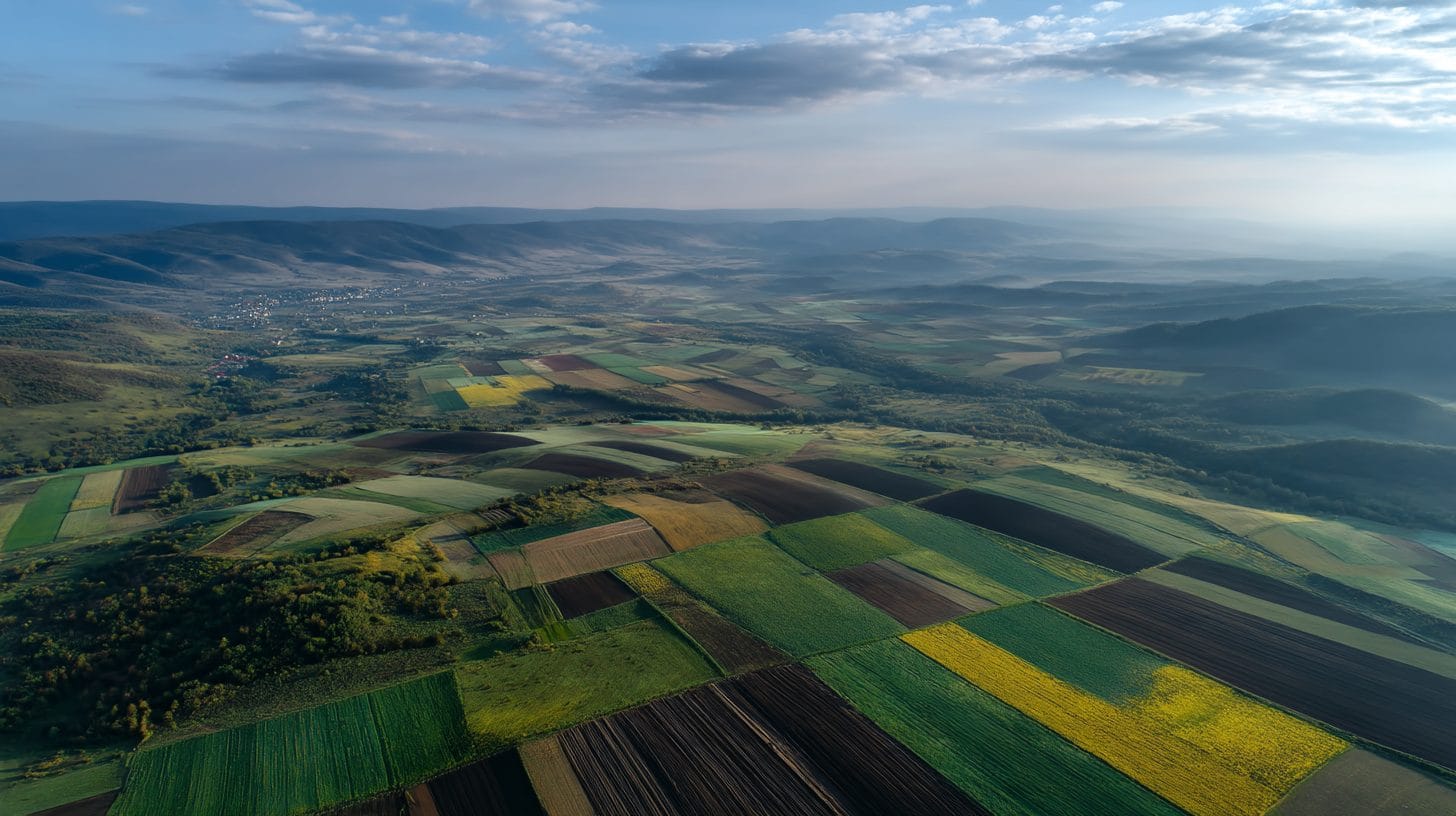
Evaluating Land for Residential Versus Commercial Use in Romania
The land market in Romania has experienced significant transformations over the years, reflecting the dynamic economic landscape of the country. As urbanization continues and the demand for different types of real estate evolves, understanding the nuances of evaluating land for residential or commercial use becomes crucial for investors, developers, and local authorities alike. This article aims to provide a comprehensive analysis of residential versus commercial land in Romania, focusing on key considerations, zoning regulations, market trends, and potential return on investment.
In Romania, the evaluation process for land intended for residential versus commercial use requires a careful examination of various factors. These include location, accessibility, demographic trends, local regulations, and economic indicators. Each of these factors plays a pivotal role in determining the viability of a particular piece of land for its intended purpose.
Location is, without a doubt, one of the most critical elements to consider when assessing land for residential versus commercial use in Romania. Proximity to urban centers, transport links, and essential amenities can significantly influence land value. Areas close to major cities such as Bucharest, Cluj-Napoca, or Timișoara tend to attract higher residential demand due to the influx of people seeking housing. Conversely, commercial properties thrive in locations with high foot traffic, easy accessibility, and visibility, making urban centers and industrial zones prime targets for such developments.
Accessibility is another essential factor that distinguishes residential from commercial land. For residential properties, ease of access to public transport, schools, healthcare facilities, and shopping centers is vital to attract families and individuals looking for a place to live. On the other hand, commercial properties may require proximity to major roadways, suppliers, and logistics hubs to ensure smooth operational flow and attract businesses.
Demographic trends also play a central role in evaluating land for residential versus commercial use in Romania. For instance, areas with a growing population and an increasing number of households may indicate a higher demand for residential properties. In contrast, regions showing signs of economic growth, with an influx of businesses and corporate activities, suggest a greater need for commercial real estate. Investors must consider current trends, as well as projections for future population and economic growth, to make informed decisions.
Local regulations further complicate the evaluation of land usage. Zoning laws dictate how land can be utilized, whether for residential, commercial, or mixed-use purposes. Romania has witnessed substantial changes in zoning regulations over the past few years, leading to opportunities and challenges for investors. Understanding these regulations is crucial, as violations can result in substantial fines or the inability to proceed with development plans.
Market trends in Romania’s real estate sector also contribute to the decision-making process when evaluating land for residential versus commercial use. Observations from various property reports showcase that residential property prices have steadily increased, driven by the need for housing in growing urban areas. Meanwhile, the commercial sector is influenced by economic cycles, with an increasing demand for office space, retail establishments, and industrial properties stemming from a burgeoning service-sector economy.
Potential return on investment (ROI) is always a critical consideration when distinguishing between residential and commercial land in Romania. Generally, commercial properties can offer higher yields compared to residential projects, but they may require greater capital investment and entail higher risks. Retail spaces, for example, may generate reliable income through lease agreements with businesses, but market fluctuations can impact their profitability. Residential investments tend to provide a more stable return, as they usually have consistent demand, though average yields may be lower than their commercial counterparts.
Another vital aspect of evaluating land is conducting a thorough feasibility study. This involves analyzing all potential costs, including development, operational expenses, and projected revenues. Investors must also consider the competitive landscape, assessing similar properties in the vicinity to gain insights into pricing strategies and market saturation.
To navigate the complex terrain of evaluating land for residential versus commercial use in Romania, stakeholders are encouraged to engage with local professionals such as real estate brokers, urban planners, and legal advisors who possess extensive knowledge of the local market. Their expertise can provide valuable insights into trends, regulatory compliance, and investment opportunities that may not be immediately apparent to newcomers or less-experienced investors.
Sustainability and environmental considerations are increasingly becoming fundamental in property development decisions. As Romania aims to align itself with EU standards for sustainable development, it is vital for investors to evaluate how their land use contributes to sustainability goals. Eco-friendly practices in the development process can enhance the marketability of both residential and commercial projects, attracting tenants and buyers who prioritize sustainability.
In conclusion, the decision of whether to evaluate land for residential versus commercial use in Romania demands a multifaceted approach. By analyzing location, accessibility, demographics, local regulations, market trends, and potential ROI, stakeholders can make informed decisions that reflect the growing needs of Romanian communities. Engaging with local expertise and factoring in sustainability objectives can further enrich the evaluation process, ensuring that investments are both lucrative and responsible. As the Romanian economy continues to grow and develop, those who approach land evaluation with diligence and foresight will position themselves for success in this vibrant marketplace.
Interested in Land Investment in Romania?
We specialize in high-yield land and property opportunities for serious investors.
VIEW OUR CURRENT PORTFOLIOSecure your investment with Land For Investors.

Published: April 15, 2025