

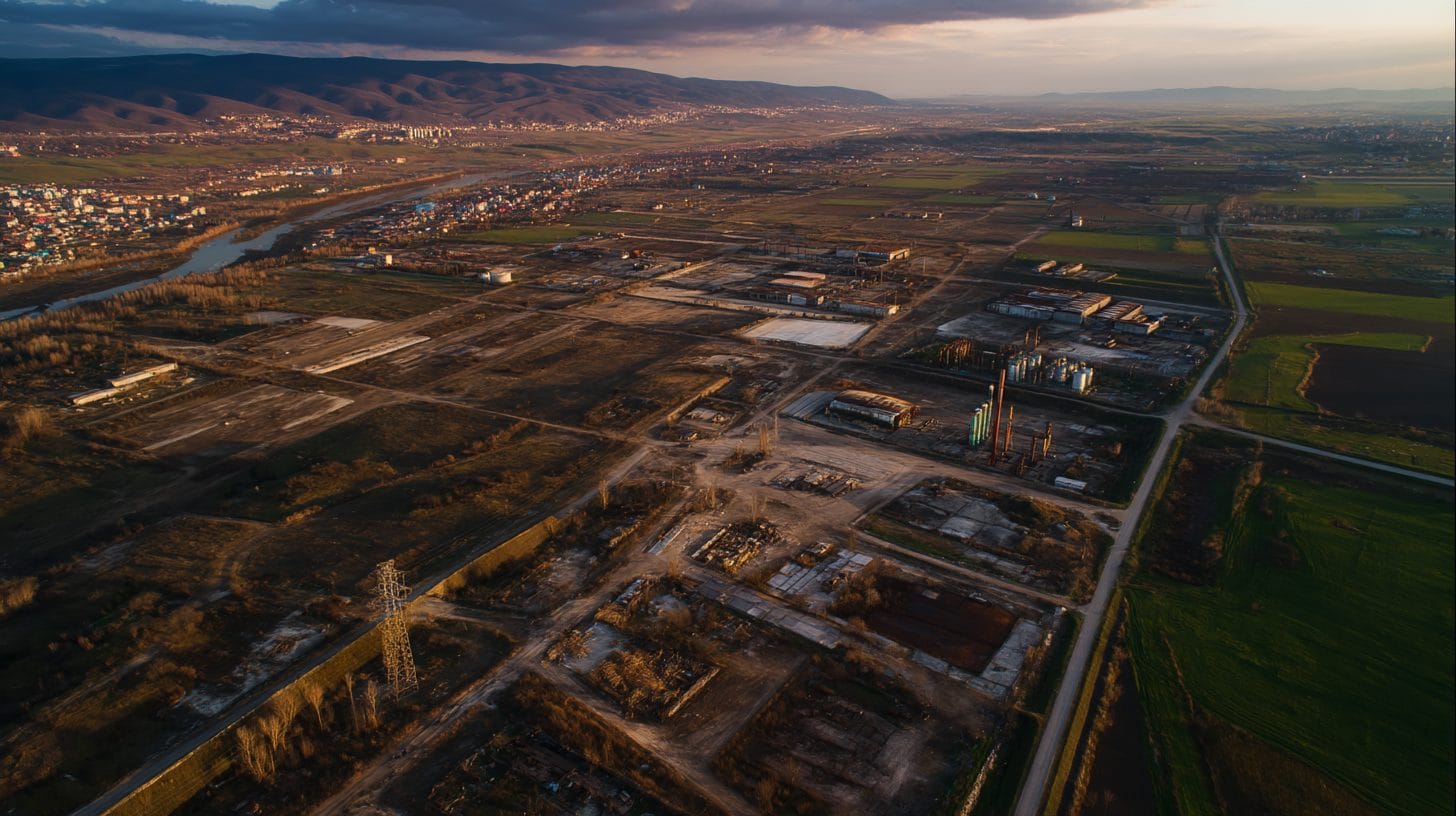
A Guide to Understanding Land Surveying and Its Importance in Romania
Land surveying is a foundational practice that plays an indispensable role in the development and management of land resources. In Romania, where the landscape is characterized by a diverse topography and rich historical significance, the importance of land surveying cannot be overstated. This article presents a comprehensive guide to understanding land surveying and delves deeply into its significance in Romania, emphasizing its contributions to urban development, property rights, environmental management, and heritage conservation.
Land surveying is the science and technique of determining the terrestrial or three-dimensional positions of points and the distances and angles between them. This process involves the precise measurement and mapping of land to create detailed representations of various landscapes, which are vital for legal and commercial purposes. In Romania, land surveying encompasses a variety of applications, including topographic surveying, cadastral surveying, boundary surveying, and geodetic surveying.
One of the critical aspects of land surveying is its role in urban planning and development. As cities across Romania experience rapid growth, the need for meticulous land use planning becomes paramount. Accurate land surveys provide essential data that help urban planners make informed decisions regarding zoning, infrastructure development, and resource management. For instance, Bucharest, the capital city, requires extensive surveys to guide urban expansion and ensure that new developments adhere to environmental regulations and land-use policies. The importance of land surveying in Romania’s urban landscape cannot be overstated, as it serves as the backbone of sustainable city planning.
In addition to urban planning, land surveying is vital for property rights and ownership validation in Romania. In a country where land ownership has a complex and often tumultuous history, establishing clear boundaries is essential for preventing land disputes and safeguarding individuals’ rights. Cadastral surveying, which involves the systematic mapping of land parcels, is crucial for defining property boundaries and ensuring that land ownership is well-documented. This is particularly significant in rural areas of Romania, where communal and ancestral land claims have been a source of contention.
The importance of land surveying extends to environmental management in Romania as well. As the country navigates the challenges posed by climate change and industrialization, accurate land surveys provide essential data necessary for effective land use management and environmental protection. Surveys help identify vulnerable ecosystems, delineate protected areas, and assess land degradation, ultimately assisting policymakers in making informed decisions for sustainable development. For instance, in regions such as the Carpathian Mountains or the Danube Delta, comprehensive surveys inform both conservation efforts and sustainable tourism strategies, demonstrating the intersection of environmental stewardship and land surveying.
Land surveying also plays a crucial role in heritage conservation in Romania, a nation with an extensive cultural and historical landscape. Many of Romania’s landmarks, including castles, fortresses, and traditional villages, require detailed surveying to ensure their preservation. By documenting the precise locations and conditions of these sites, land surveyors contribute significantly to heritage management initiatives and help safeguard Romania’s cultural identity for future generations.
Furthermore, advancements in technology have propelled the field of land surveying into new realms. The use of technologies such as Geographic Information Systems (GIS), drones, and satellite imagery has revolutionized how surveys are conducted in Romania. These tools enable surveyors to gather and analyze data more efficiently, thereby enhancing the accuracy and precision of surveying results. The integration of technology in land surveying has paved the way for more informed decision-making and smarter urban planning strategies.
The professionalization of land surveying in Romania is another key factor emphasizing its importance. The country has a robust regulatory framework that governs land surveying practices, ensuring that surveyors adhere to high standards of professionalism and ethics. The Romanian Association of Surveyors (Asociația Geodezilor din România) plays a pivotal role in advocating for the interests of land surveyors, providing training, resources, and professional development opportunities. This dedication to upholding industry standards translates to reliable surveying practices, which ultimately reinforce the value of land surveys in various sectors.
Moreover, land surveying is fundamental in facilitating real estate transactions in Romania. Comprehensive surveys and accurate property descriptions are crucial for potential buyers and investors, ensuring that they have a clear understanding of what they are purchasing. The transparency and reliability of land surveys contribute to a smooth transaction process, thereby bolstering investor confidence in the Romanian real estate market.
The real estate sector in Romania has seen significant growth over the past decade, with both domestic and foreign investments pouring into urban developments. Businesses and individuals alike rely on the expertise of land surveyors to provide precise data that can influence their investment decisions. Consequently, land surveying has taken on a prominent role in shaping economic activity and contributing to the overall growth of the Romanian economy.
Furthermore, land surveying’s importance is recognized in the agricultural sector. Accurate surveys are essential for efficient land management practices, facilitating better crop yields, optimizing farmland usage, and implementing sustainable farming methods. In a country where agriculture remains a critical component of the economy, the impact of land surveying on agricultural productivity cannot be overlooked.
In conclusion, the importance of land surveying in Romania cannot be overstated. It serves as a cornerstone for urban planning, property rights validation, environmental management, heritage conservation, and economic growth. As Romania continues to modernize and address challenges related to land use and management, the demand for professional land surveying services will only increase. Ensuring that land surveyors are equipped with the latest technology and knowledge will be vital to addressing the complexities of land management in a rapidly evolving landscape. As we reflect on the importance of land surveying in Romania, it becomes clear that this discipline is not just about maps and measurements; it is about shaping the future of the land we inhabit. By prioritizing and investing in land surveying practices, Romania can pave the way for sustainable growth, protection of cultural heritage, and better stewardship of its natural resources. Thus, understanding land surveying’s importance in Romania is essential for any stakeholder involved in land management, development, or conservation.
Interested in Land Investment in Romania?
We specialize in high-yield land and property opportunities for serious investors.
VIEW OUR CURRENT PORTFOLIOSecure your investment with Land For Investors.

Published: April 13, 2025